

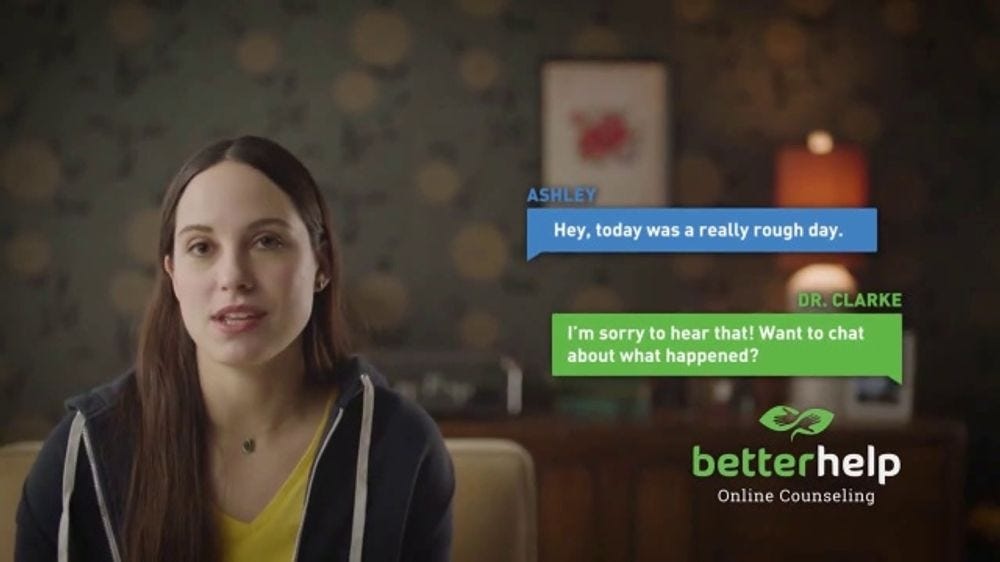
At a time when many feel weighed down by the pressures of modern life, BetterHelp has launched its first truly global marketing initiative centered on a deceptively simple message: “Feel Lighter.” The campaign, which debuted on December 22, 2025, one day after the winter solstice, positions therapy as the single most meaningful investment people can make for themselves in the new year. More than a marketing effort, the initiative represents a thoughtful attempt to meet people where they are emotionally and guide them toward professional mental health support.
A Campaign Rooted in Universal Human Experience
The “Feel Lighter” campaign distinguishes itself through its deliberate departure from the noise and divisiveness that characterize much of today’s digital landscape. According to Ads of the World, the campaign shifts toward calmer, more human storytelling that focuses on a universal desire: feeling lighter after carrying emotional weight. In a content ecosystem often dominated by outrage and conflict, this approach offers something refreshingly different.
The centerpiece television spot features no dialogue at all. A woman enters a dimly lit apartment, and as she opens the BetterHelp app on her phone, the scene gradually transforms with light. The visual metaphor is unmistakable yet powerful: therapy can illuminate the darkness many people experience. The onscreen graphics deliver the campaign’s core message: “Feel lighter. Discover the power of therapy with BetterHelp.”
Sara Brooks, BetterHelp’s Chief Growth Officer, explained to Marketing Daily that the absence of dialogue “really allows the emotional resonance to speak for itself.” The campaign targets the platform’s primary demographic of adults aged 18 to 45, while also reaching potential members, health plans, and therapists through its comprehensive 360-degree approach spanning TV, paid media, social, digital, and strategic partnerships.
Data-Driven Insights Informing the Message
The “Feel Lighter” campaign did not emerge from a creative vacuum. Its messaging was directly shaped by findings from BetterHelp’s inaugural State of Stigma report, released in May 2025. The survey gathered insights from over 16,000 individuals across 23 countries, revealing that anxiety and emotional exhaustion are particularly widespread among younger generations.
The State of Stigma research found that 74% of Gen Z and millennials report experiencing panic attacks or anxiety. Additionally, 30% report days of feeling down, depressed, or hopeless, while 25% report having very little energy more than half the time. These statistics paint a picture of a population carrying significant emotional burdens, often without adequate support systems.
Perhaps more troubling, the research revealed that Gen Z, despite reporting higher levels of mental health challenges, harbors surprisingly persistent stigma around seeking help. Nearly 37% of Gen Z respondents view seeking counseling as a sign of “mental weakness,” compared to just 22% of older generations combined. This disconnect between needing support and feeling comfortable seeking it represents precisely the barrier the “Feel Lighter” campaign aims to address.
“We’re focusing on this universal human truth: the desire to feel lighter after carrying emotional weight,” Brooks explained. The campaign acknowledges that while awareness of mental health issues has increased significantly, stigma and access barriers continue preventing millions from receiving the care they deserve.
Connecting Physical and Mental Wellness Through Strategic Partnerships
One of the most innovative elements of the “Feel Lighter” initiative is its partnership with Strava, the popular fitness tracking platform. The Light The Way Challenge, which ran from January 20 through February 3, 2026, invited users to log 100 minutes of physical activity in exchange for 30% off their first month of online therapy services.
This partnership reflects a growing understanding that physical and mental wellness are deeply interconnected. Many people who prioritize their physical health through exercise may not have considered professional mental health support as an equally important component of overall well-being. By meeting fitness enthusiasts within an app they already use and trust, BetterHelp introduced therapy as a natural complement to existing self-care routines.
The Strava collaboration also served a strategic purpose: it provided a concrete, achievable goal that potential users could work toward. Rather than simply encouraging people to “consider therapy,” the challenge offered a tangible pathway with a clear reward. This gamification element may help overcome the inertia that often prevents people from taking that crucial first step toward seeking support.
Creator Partnerships Amplify Authentic Voices
While the television commercial provides the campaign’s visual identity, BetterHelp has also enlisted content creators to share personalized interpretations of what “feeling lighter” means in their own lives. This multi-channel approach recognizes that the expression of emotional relief looks different for everyone.
YouTube influencer Michelle Choi, who has 2.3 million subscribers, shared how working with her therapist helped her reframe her approach to the new year. “My BetterHelp therapist has helped me shift my mindset and redefine what the new year actually needs to look like for me,” Choi told her audience. “So this year I decided I’m going to ease into it, no rushing… learning that rest does not mean laziness and it is so necessary and that in itself made me feel so much lighter.”
Brooks emphasized that these creator partnerships are designed to inspire specific actions: “trying therapy for the first time, restarting therapy, marking it away for a time when you may need it, or telling a friend about BetterHelp.” By featuring real people discussing authentic experiences, the campaign moves beyond abstract promises toward relatable, achievable outcomes.
The Timing: Winter Solstice and New Year Renewal
The campaign’s launch date was intentional. December 22 marks the day after the winter solstice, when daylight begins its gradual return. This symbolic timing aligns the campaign with a natural phenomenon that has represented hope and renewal across cultures for millennia. As physical days grow lighter, the campaign suggests, emotional burdens can lighten too.
January traditionally represents a period of self-reflection and goal-setting, making it an optimal moment to introduce therapy as an investment in personal growth. However, Brooks acknowledged a practical reality: by mid-January, many New Year’s resolutions have already faltered. The “Feel Lighter” campaign meets this moment directly, offering therapy not as another demanding resolution but as a source of support for navigating life’s ongoing challenges.
Building on a Year of Mental Health Advocacy
The “Feel Lighter” campaign represents the culmination of a year during which BetterHelp expanded its mental health advocacy efforts significantly. Throughout 2025, the platform launched several high-profile initiatives, including partnerships with WNBA teams, collaborations with musicians like Noah Cyrus, and the “Stop the Madness” campaign addressing online harassment faced by student athletes.
These varied partnerships share a common thread: they feature trusted voices speaking openly about mental health within their respective communities. Whether it’s professional athletes discussing performance pressure or musicians sharing recovery stories, BetterHelp has consistently chosen partners who bring authenticity and lived experience to the conversation.
The State of Stigma report itself emerged from this commitment to understanding and addressing barriers to care. Courtney Cope, LMFT and Director of Clinical Operations at BetterHelp, characterized the findings as revealing “the quiet, persistent gaps between belief, behavior, and action. Our responsibility is to close that gap and make care feel not just available, but accessible.”
What Makes the Campaign Different
Mental health marketing often falls into predictable patterns: clinical language, stock imagery of serene landscapes, or heavy-handed messaging about the importance of “asking for help.” The “Feel Lighter” campaign avoids these conventions by focusing on an emotional state rather than a diagnostic category. It doesn’t ask viewers to identify with depression or anxiety; it simply acknowledges that many people feel weighed down and offers a path toward relief.
The campaign’s production quality also signals the seriousness of its purpose. Created by Barcelona-based production company Canada, with facilities in Los Angeles and London, the television spot demonstrates investment in crafting a message worthy of the platform’s scale. BetterHelp handles its own creative and media placement, maintaining control over how the message reaches audiences across linear TV, streaming services, and paid social channels.
Expanding Access to Professional Support
Behind the marketing campaign lies a substantial clinical infrastructure. BetterHelp’s network includes 30,000 licensed mental health professionals practicing across all 50 states and internationally. The platform’s data indicates that 72% of clients experience symptom reduction within their first 12 weeks of therapy, with 69% achieving reliable improvement and 62% reaching symptom remission.
The platform reports that 40% of new members in 2024 were experiencing therapy for the first time in their lives. This statistic suggests that online platforms are successfully reaching individuals who might never have accessed traditional mental health services due to geographical, financial, or social barriers.
BetterHelp continues expanding insurance coverage, now accepting plans in Texas, Virginia, and Florida, with expectations of becoming largely national by the end of 2026. This expansion addresses cost barriers that prevent many from seeking care, even when they recognize the need for support.
The Message Beyond Marketing
At its core, the “Feel Lighter” campaign represents more than an advertising strategy. It reflects a genuine understanding that millions of people are struggling with emotional burdens they may not know how to address. By normalizing therapy through emotionally resonant storytelling rather than clinical messaging, the campaign meets potential users with empathy rather than prescription.
Fernando Madeira, president of BetterHelp, has consistently articulated the platform’s broader vision: “BetterHelp exists to champion the well-being in all of us, and we envision a world where nothing stands between people and the support they need.” The “Feel Lighter” campaign translates this vision into accessible, emotionally intelligent messaging that invites rather than lectures.
As the campaign continues through the first quarter of 2026, its impact will be measured not just in subscriber growth but in whether it succeeds at its stated goal: helping people take that first step toward professional support. For the millions carrying emotional weight they don’t know how to put down, the promise of feeling lighter may be exactly the invitation they need.
